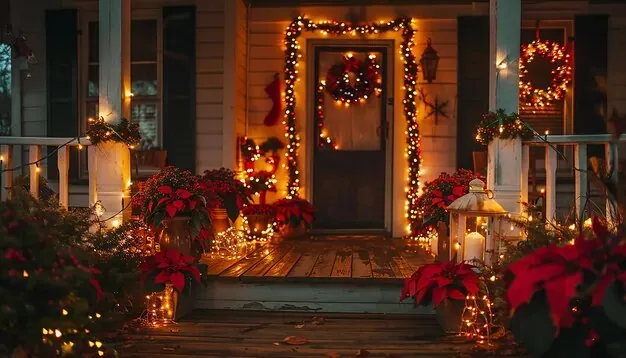
Lease your Christmas lights for the first season. Think about buying once you have seen the design on your own house and know it will not change. That is the short version, and it has held up across the North Atlanta homes we have installed since 2018. The longer version is what each model includes, what moves from our side of the job to yours when you own the product, and where the crossover between the two tends to arrive.
Both models start from the same quote. We measure the roofline you want lit, note the height of the house, count the trees, and settle the design with you. The lease comes back as one all-inclusive price for the season. The buy option comes back as two lines: commercial-grade product, itemized for your exact design, and a lower install-only rate for the labor each season. Same crew, same roof-safe clips, same LEDs. The difference is who owns the strings when the truck leaves.
| All-inclusive lease | Buy the product, pay install-only | |
|---|---|---|
| Who supplies the lights | We do, cut and prepared for your design | You do, purchased upfront through your quote |
| Who stores them | We do, between seasons | We do too, unless you’d rather keep them at home |
| Who replaces failed sections | We do, from our stock, at no charge | The crew swaps them, but the string comes from your spares or a reorder |
| Design flexibility year to year | High, the product adjusts with each season’s quote | Low, a redesign means buying new product |
| Shape of the cost | One yearly all-inclusive price | Product upfront, then a lower yearly install-only rate |
| Best for | First seasons, changing designs, likely movers | Fixed designs, long rooflines, staying put |
What the all-inclusive lease includes
Everything is the short answer, but itemized it looks like this:
- Design, meaning palette, bulb spacing, and proportions matched to your house rather than a generic layout.
- Product, commercial-grade LED strings with gasketed sockets and replaceable bulbs, supplied by us.
- Installation by an insured crew on roof-safe clips, scheduled anywhere from late October to mid-December.
- Maintenance all season. A section that goes dark in December gets fixed from our stock, on our ladder, at no charge.
- Takedown in January, included rather than sold separately.
- Storage until next season, so no bins compete with your garage shelving.
You never own the lights, which sounds like a drawback right up until you list what ownership involves. The quote is one figure for the whole season, free and itemized, and it locks before work starts. If the design grows next year, a longer run to the back ridge or lights on the dormers, the product adjusts with the new quote.
What buying and paying for install-only involves
The buy model splits one payment into two kinds.
First, the product. Your quote itemizes commercial-grade lights for your exact design, the same strings the lease would have used, and you pay for them upfront. After that they are yours. If you move across town, they go with you.
Second, the labor. Each season you pay an install-only rate for the crew to hang, test, maintain, and take down your product. That rate sits below the lease rate because the crew is hanging strings you already own instead of supplying them. The insured crew, the roof-safe clips, the in-season maintenance visits, and the January takedown all stay in the package.
What moves to your side of the ledger is the product itself. Storage does not have to: we still keep lights you own between seasons, labeled by run, unless you would rather keep them, and if you do, they want a garage shelf or a basement corner rather than a July attic, which in Georgia can pass 130 degrees and is hard on wire insulation and socket seals. Replacement bulbs are the first real cost, since even commercial-grade strings lose a bulb or two a season as they age. Failed sections are the one people forget: when a hard freeze takes out a run in December, the crew still swaps it, but the replacement string comes out of your spares or a reorder rather than our stock.
How the crossover works
The install-only rate is lower than the lease rate because the crew is hanging your product instead of supplying it. That gap shows up every season you own the lights, and it accumulates, season by season, until it has repaid what you spent on the product upfront. Past that point owning is ahead, and it stays ahead until the design changes or the strings wear out, which on commercial-grade product tends to be 15 to 20 seasons away.
Season one is where people get surprised. Buying costs more in the first season, because the product bill lands all at once on top of the labor. From the second season on, the gap works for you, and for most homes the running totals cross after a few seasons. We say a few rather than a number because the timing depends on how much product your design needs and how far apart the two labor rates sit on your roofline, and both of those are on your quote.
Roofline length moves the crossover most. On a long roofline the labor saving each season is large, so it repays the product quickly and the crossover comes sooner. On a small roofline the saving each season is modest, and although the product costs less too, the crossover slides later. On a short single-story run it can slide far enough that leasing is simply the cleaner answer.
Two things reset the clock. Changing the design means buying new product, so every redesign restarts the payback. Moving restarts it differently, since the strings were cut and fit to the house they were designed on. Add-ons leave the timing alone: wrapped trees, wreaths, and garland are itemized the same way on both quotes and raise both totals equally. Design density is the exception. A roofline outlined on both the gutter edge and the peak uses close to twice the product of a single run, which means more to repay and a later crossover on the buy side.
Which model fits which house
Most first-year customers lease, and we suggest it for a first season regardless of long-term plans, because you get to see the design on your own house before committing money to owning it. Past year one, the house and the household usually make the choice for you.
Lease if any of these sound familiar:
- You like changing the display: warm white this year, red and green when the kids win the vote.
- A move inside the next few years is realistic.
- Garage and attic space is already spoken for, or the only storage you have is a hot attic.
- You want December failures to be entirely someone else’s problem, product included.
- Your roofline is short and simple, so the labor saving from owning would stay small.
Buy if this reads more like you:
- You have run the same design for a season or two and love it.
- You plan to stay in the house.
- The roofline is long, which is where the install-only saving adds up fastest.
- You do not mind owning a small replacement budget, and you either let us store the bins or have a dry garage shelf for them.
The pattern we see most often is the first bullet on the buy side: owners who started on the lease switch to buying once the design is proven on their own roofline. The other natural buyer wants commercial-grade product and a professional first install, then plans to handle later seasons personally, which is the DIY versus professional decision from the other direction.
What to ask before you choose
A quote that only shows one model has already made the choice for you, so ask for both and read them side by side. Pacing your roofline with our light planner first gives you a footage figure to check them against. A few questions worth putting to any installer, us included:
- Is the product on the buy quote the same commercial-grade string the lease would use, or a cheaper line?
- What does the install-only rate cover each season: hanging, testing, in-season repairs, and takedown, or hanging alone?
- When a section fails in December, who supplies the replacement string, and who climbs the ladder?
- Where will the lights live from January to October, and is labeled storage available if the garage is full?
- What happens to the product if the design changes next year?
- Does the early-bird discount apply to both models?
On our quotes the answers are the same product on both, full service on both, our ladder either way with your spares on the buy side, labeled storage with us unless you’d rather keep the lights, and the 10% early-bird discount on either model if you book by November 1st. Installs run late October to mid-December and takedown happens in January on both. The FAQ covers scheduling, weather, and service calls in more detail.
How to get both numbers
Ask for both on your free quote. Send a photo of the front of the house through the contact form, or call or text (470) 777-7443, and tell us you want the lease and the buy option priced side by side. We usually answer quote requests within one business day, and the quote comes back itemized, with the product line, the install-only rate, and the all-inclusive lease price on the same page, so the crossover for your roofline is a matter of reading down two columns.
If you want to understand what moves the numbers before you ask, our cost guide walks through the drivers (roofline footage, home height, trees, and design density), and the installation cost page covers what is included on every package. Whichever model you land on, November 1st is the date worth writing down. The 10% early-bird discount applies through that day, and the pre-Thanksgiving install calendar goes first.
Questions homeowners ask about leasing versus buying
Do the lease and buy options use the same lights?
Same commercial-grade LED strings on both, with gasketed sockets and replaceable bulbs, cut and prepared for your design. The difference is who owns them when the truck leaves. Ask any installer this directly, because a buy quote priced around a cheaper line of product changes the comparison entirely and rarely says so on the page.
Who replaces a section that fails in December?
Our crew climbs the ladder either way, and in-season service calls carry no charge on both models. What differs is where the replacement string comes from. On the lease it comes out of our stock. If you own the product, it comes from your spares or a reorder, which is why owners keep a small replacement budget.
How many seasons until buying costs less than leasing?
It depends on your roofline. The install-only rate sits below the lease rate every season, and that gap slowly repays the upfront product bill. A long roofline saves more each season and crosses over sooner. A short single-story run can slide far enough that leasing stays the cleaner answer. Both figures appear on your quote.
Where should I store lights I own?
With us, by default: we store lights you own between seasons, labeled by run, unless you’d rather keep them. If you do keep them, pick a garage shelf or a basement corner, somewhere dry and out of the heat. A Georgia attic in July can pass 130 degrees, which is hard on wire insulation and socket seals and shortens the life of product that should otherwise run 15 to 20 seasons.
Does the early-bird discount apply to both models?
Yes. Book by November 1st and the 10% early-bird discount comes off either the all-inclusive lease or the install-only rate, and you get first pick of install dates. Installs run late October to mid-December, and takedown happens in January on both models, so the real decision is only who owns the strings.
Related articles
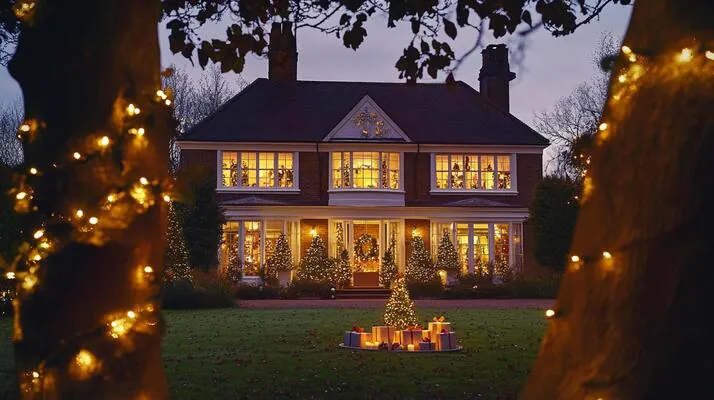
How Much Does Christmas Light Installation Cost in Atlanta? (2026)
Sep 2, 2026
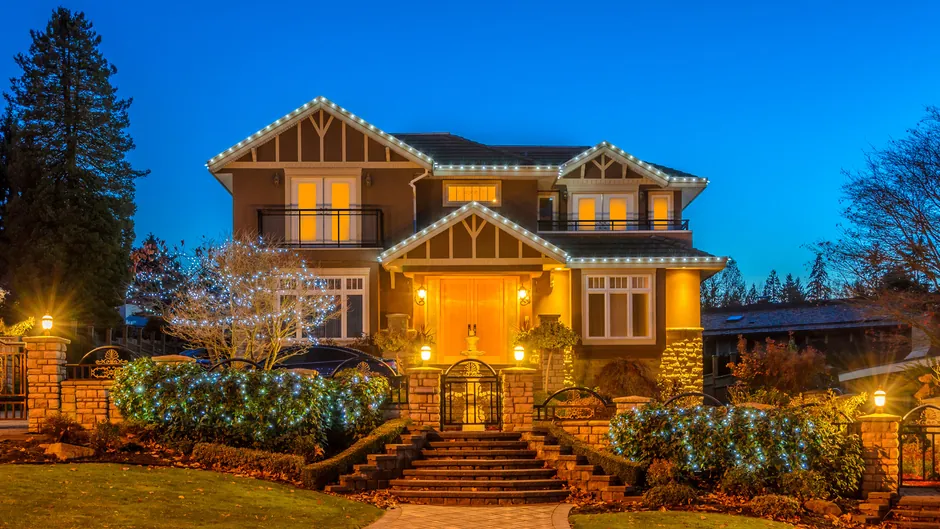
Planning Christmas Lights for an Alpharetta Home: HOA Rules, Rooflines, and Timing
Aug 15, 2026
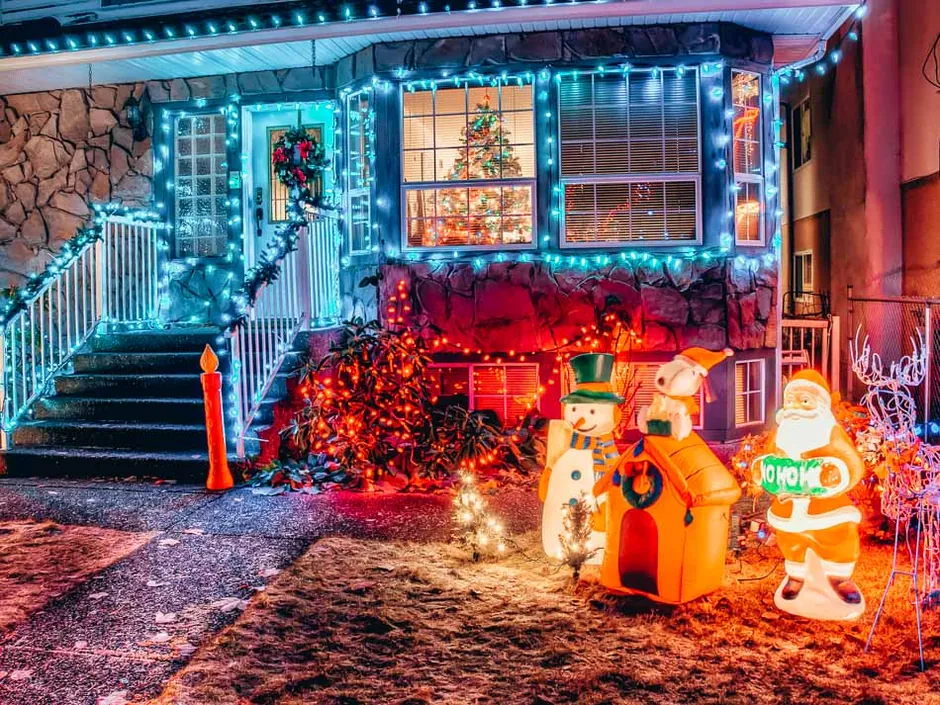
Estate Christmas Light Design in Johns Creek: Layers, Scale, and Community Rules
Aug 15, 2026